Ultimate Guide to Baking Packaging: Selecting the Ideal Containers for Freshness and Presentation
Quality packaging is critical for preserving the full information integrity of baked goods while enhancing their visual appeal. Beyond preserving freshness, it also draws in customers and reinforces brand identity. Multiple materials and design factors serve a key function in this process. Learning to identify the right packaging solutions can profoundly affect a baker's achievements. What factors should bakers consider to guarantee their packaging meets both practical and aesthetic needs?
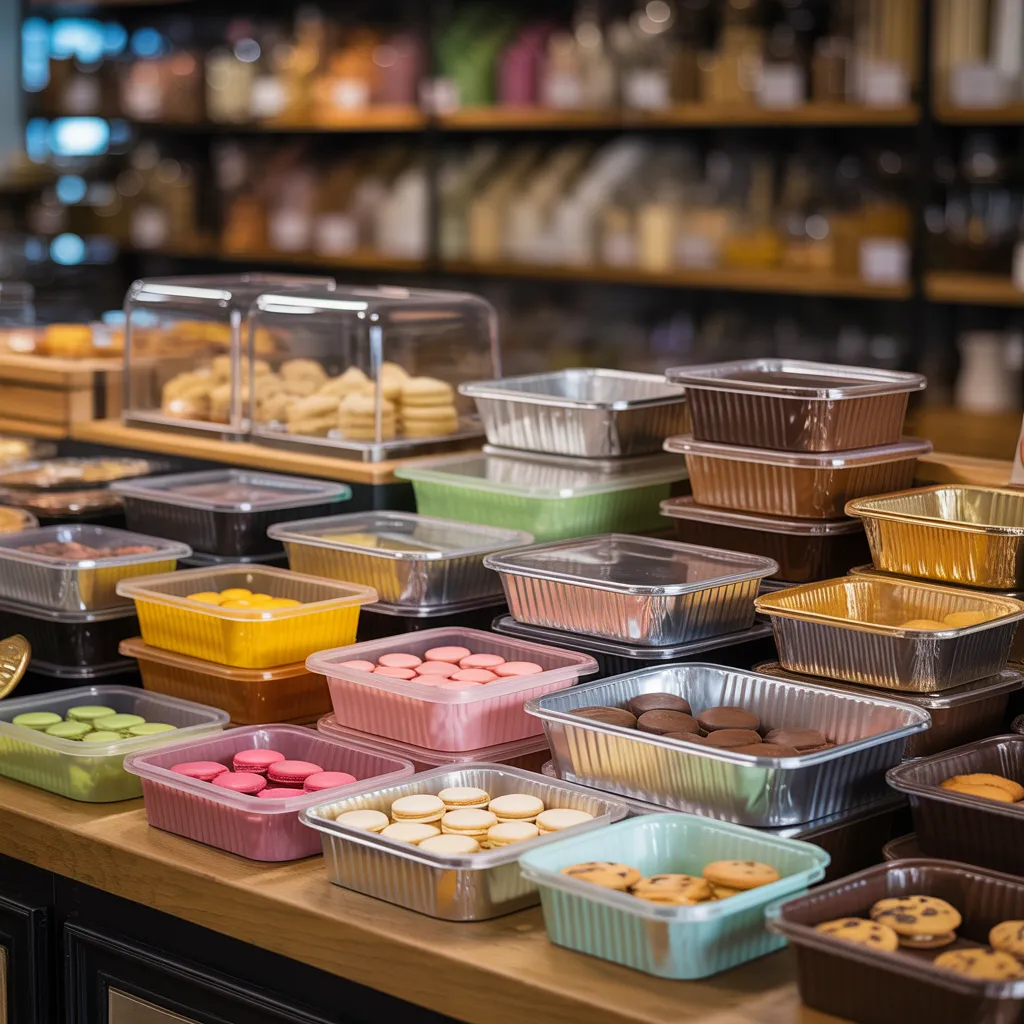
Why Baking Packaging Matters for Freshness and Appeal
When considering the performance of baked items, packaging serves a vital function in sustaining freshness and improving visual presentation. The right packaging not only maintains the quality and flavor of baked items but also draws customers in through its appearance. Freshness is critical; inadequate packaging can lead to staleness or spoilage, undermining the product's overall attractiveness.
Additionally, eye-catching packaging can communicate brand identity and elicit emotional responses, directly impacting buying decisions. Color, form, and texture all factor into the overall quality perception. A carefully crafted package can function as a marketing tool, conveying the skill and dedication behind the bakery products.
In a competitive market, quality packaging differentiates a product, increasing its prominence on store shelves. In the end, the significance of packaging reaches far beyond basic functionality; it represents an essential element of the entire experience for shoppers, making certain that baked goods are both fresh and visually enticing.
Kinds of Packaging Materials to Keep Your Treats Fresh
With respect to extending the shelf life of baked items, the selection of packaging solutions plays a vital role. Airtight plastic containers deliver secure seals that lock in moisture, while various paper packaging options offer natural breathability and charming aesthetics. Knowing the advantages of each option enables bakers to make educated selections for maximum freshness.
Advantages of Plastic Containers
Plastic storage containers provide a practical solution for maintaining the quality of baked items. Their secure airtight closures defend against moisture and air exposure, which can result in deterioration. Lightweight and durable, plastic containers are easy to handle and transport, making them well-suited to both home bakers and commercial operations. They can be found in numerous shapes and dimensions, accommodating everything from cookies to cakes. Furthermore, numerous plastic containers are clear, allowing for attractive presentation while letting customers inspect the contents with ease. Another major advantage is reusability, as these containers can be cleaned and reused. Moreover, plastic containers are typically cost-effective, making them ideal for bakers with limited budgets while guaranteeing that goods stay fresh and attractive.
Paper Packaging Choices
Numerous paper packaging solutions provide efficient solutions for preserving the integrity of baked goods. Greaseproof paper is well-regarded for its ability to block grease and liquids, protecting the quality of items like baked confections. Wax paper delivers comparable advantages, building a barrier against air and moisture, while also delivering a classic aesthetic. For more substantial items, windowed paper bags permit visibility while shielding contents from external elements. Moreover, kraft paper boxes are sturdy and biodegradable, making them a sustainable solution for pies and cupcakes. Each alternative not only ensures freshness but also enhances aesthetics, encouraging customers to appreciate the items inside. Ultimately, opting for the ideal paper packaging can elevate both presentation and product integrity.
Top Design Tips to Make Your Treats Impressive
Crafting a striking visual concept for baking packaging can considerably increase the appeal of baked goods. To begin, color is a key factor; vivid tones can capture interest while matching the overall theme and taste of the confections. Employing opposite tones for the background and text ensures clarity and visual appeal.
Including unique shapes and materials can additionally make packaging be more appealing. Specially crafted die-cut boxes or window panels allow consumers to peek at the products inside, enhancing appeal.
Font selection should never be ignored; selecting font styles that embody the company's essence can significantly shape overall brand impression.
As a finishing touch, incorporating ornamental features including ribbons, stickers, or stamps delivers a unique flair, improving the visual presentation. These styling methods not only boost the item's aesthetic quality but also communicate dedication and quality, creating a relationship with interested shoppers.
How to Choose the Perfect Box for Your Treats
Choosing the perfect packaging for bakery items involves careful consideration of several key factors. Initially, the dimensions of the package should align with the number and kind of items being packaged. A snug fit reduces shifting, which can result in breakage. Additionally, material selection is crucial; durable materials like plastic or cardboard offer protection while keeping items fresh.
The box's design also matters, as it needs to enhance the visual appeal of the items inside. See-through panels can highlight beautifully crafted items, while bold colors can draw the eye. Furthermore, pay attention to the box's convenience of assembly and transport; uncomplicated designs support faster packing and handling.
Finally, confirm the box is safe for food use, as safety is essential in the packaging of food. When balancing size, material, design, and functionality, bakers can choose the most suitable box that safeguards their baked goods while displaying them attractively.
Green Baking Packaging Choices for Environmentally Aware Bakers
As bakers increasingly prioritize sustainability, sustainable packaging alternatives are becoming increasingly important. Sustainable materials, such as recycled paper and plant-based plastics, are gaining traction among conscious bakers. Furthermore, compostable packaging options provide an eco-friendly approach to showcasing baked goods while reducing environmental impact.
Sustainable Material Choices
What defines a genuinely sustainable baking packaging option? It depends on the materials chosen and their impact throughout their lifecycle. Eco-aware bakers are turning more and more to options crafted from renewable resources, like recycled paper, bamboo, and plant-derived plastics. Such materials help lower dependence on fossil fuels while also cutting down on waste. Furthermore, eco-friendly packaging ought to be lightweight to cut transportation emissions and built for reuse or recycling. Bakers might consider options that are locally sourced, further supporting community economies while decreasing carbon footprints. Ultimately, the goal is to balance functionality with environmental responsibility, ensuring that the packaging preserves freshness without compromising the planet's health. These thoughtful decisions appeal to environmentally aware customers, strengthening brand loyalty and visibility.
Biodegradable Packaging Solutions
Although numerous bakers pursue environmentally conscious methods, compostable packaging solutions stand out as a practical choice for bakers dedicated to environmental responsibility. These materials, often derived from plant-based substances, break down naturally and enrich the soil, rendering them perfect for sustainability-focused baking businesses. Available choices encompass compostable bags, boxes, and wraps that preserve product quality while reducing ecological harm. Furthermore, adopting this type of packaging can strengthen a brand's reputation, appealing to consumers who prioritize eco-friendly products. Several manufacturers supply an assortment of aesthetic options, ensuring that bakers can find aesthetically pleasing options that align with their branding. When opting for compostable alternatives, bakers play a role in decreasing waste in landfills, fostering beneficial change throughout their local communities and the wider world.
Personalizing Packaging to Represent Your Brand Identity
Creating packaging that embodies a brand's essence is crucial for making an impact in a saturated market. Bespoke packaging not only elevates the aesthetic quality of confections but also articulates a brand's mission and narrative. From colors and fonts to materials and shapes, every aspect plays a role in a harmonious brand aesthetic. For example, a bakery committed to environmental responsibility can choose environmentally conscious materials featuring simple aesthetics, while a luxury brand might select opulent finishes and distinguished typography.
Integrating custom brand components, such as logos and taglines, strengthens brand recognition and fosters customer loyalty. Moreover, special-edition packaging can create excitement and encourage repeat purchases. By matching packaging decisions with their broader brand strategy, bakery owners can foster a memorable customer experience that reaches beyond the product alone, ultimately driving sales and enhancing brand reputation in a saturated marketplace.
Commonly Asked Questions
How Do I Properly Store Baked Goods Before Packaging?
To adequately store baked goods before packaging, one should cool them fully on a wire rack, and subsequently place them in sealed containers or seal them securely in plastic wrap to maintain freshness and minimize moisture loss.
Can Store-Bought Baked Goods Packaging Be Reused?
Absolutely, you can make use of packaging sourced from commercially purchased baked goods, as long as it is clean and undamaged. However, adequate sanitation is crucial to minimize the risk of contamination and preserve the freshness of the new baked items.
Which Packaging Size Works Best for Various Baked Goods?
The best packaging sizes vary: compact boxes work well for cookies, medium containers work for cupcakes, while larger boxes accommodate cakes. A proper fit helps prevent damage while preserving freshness, enhancing the overall presentation of each baked good.
How Do I Guarantee That My Packaging Meets Food Safety Standards?
To ensure food-safe packaging, one must choose materials that have been approved by regulatory bodies, avoid harmful chemicals, and ensure that packaging containers remain non-toxic. Additionally, maintaining appropriate sealing methods and hygiene standards during handling significantly improves overall safety.
What Are the Expenses Involved With Custom Packaging Options?
The expenses related to custom packaging options differ significantly based on order quantity, materials, and design complexity. Organizations commonly deal with initial setup fees, production costs, and potential shipping expenses, influencing comprehensive financial planning for packaging solutions.
Comments on “baked goods container solutions”